
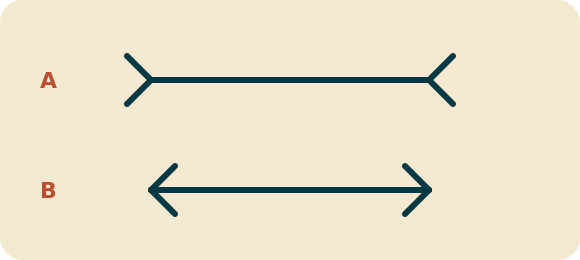
Look at the two lines A and B (ignore the arrowheads). Which line is longer?
💡 Imagine the arrowheads removed
ANSWERBoth are equal. Müller-Lyer illusion: arrowheads trick our brain about length. Here they really are equal.
15 pts
Pragya Riddles · Illusions & Spot the Difference
आँखें धोखा देती हैं. आप पकड़ पाएँगे? जवाब चुनिए या खुद लिखिए.
💡 Imagine the arrowheads removed
ANSWERBoth are equal. Müller-Lyer illusion: arrowheads trick our brain about length. Here they really are equal.
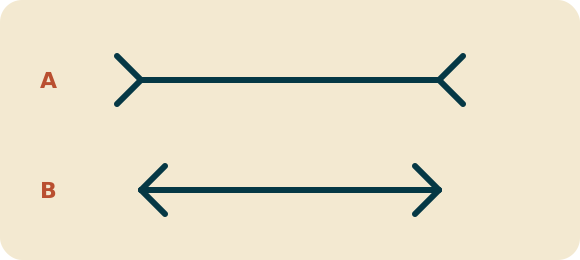
💡 Imagine the arrowheads removed
ANSWERBoth are equal. Müller-Lyer illusion: arrowheads trick our brain about length. Here they really are equal.
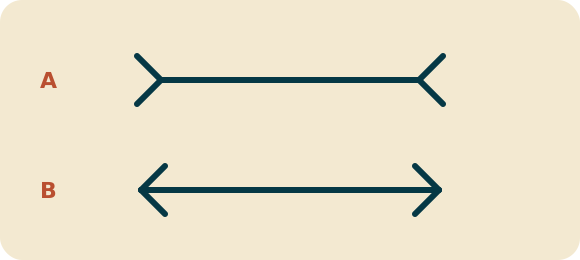
💡 Imagine the arrowheads removed
ANSWERB is longer. Müller-Lyer illusion: arrowheads trick our brain about length. Here one line really is longer, so don't trust the trick blindly!
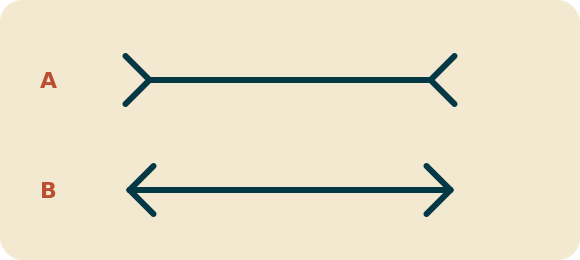
💡 Imagine the arrowheads removed
ANSWERB is longer. Müller-Lyer illusion: arrowheads trick our brain about length. Here one line really is longer, so don't trust the trick blindly!
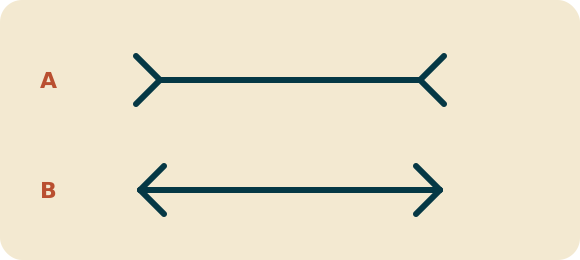
💡 Imagine the arrowheads removed
ANSWERB is longer. Müller-Lyer illusion: arrowheads trick our brain about length. Here one line really is longer, so don't trust the trick blindly!
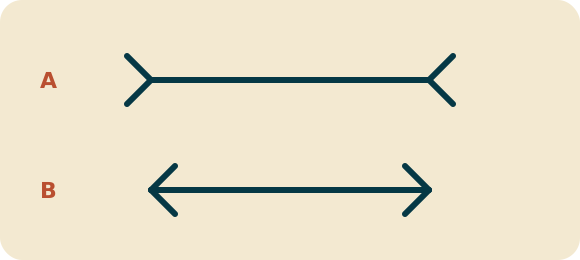
💡 Imagine the arrowheads removed
ANSWERBoth are equal. Müller-Lyer illusion: arrowheads trick our brain about length. Here they really are equal.
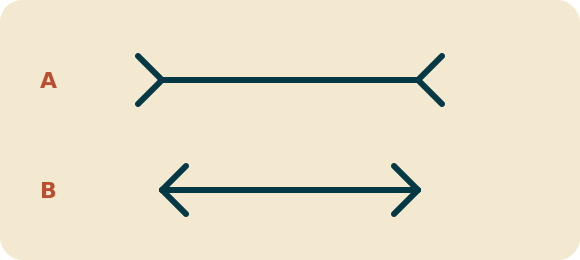
💡 Imagine the arrowheads removed
ANSWERBoth are equal. Müller-Lyer illusion: arrowheads trick our brain about length. Here they really are equal.
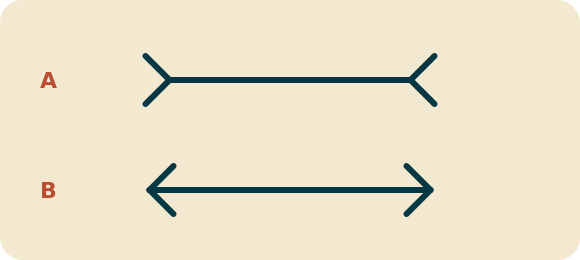
💡 Imagine the arrowheads removed
ANSWERB is longer. Müller-Lyer illusion: arrowheads trick our brain about length. Here one line really is longer, so don't trust the trick blindly!
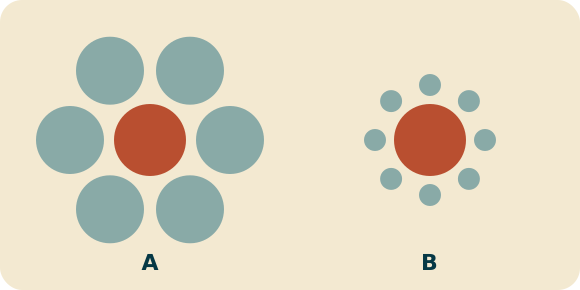
💡 Ignore the circles around them
ANSWERBoth are equal. Ebbinghaus illusion: big neighbours make a circle look small, small neighbours make it look big. Here both are equal.
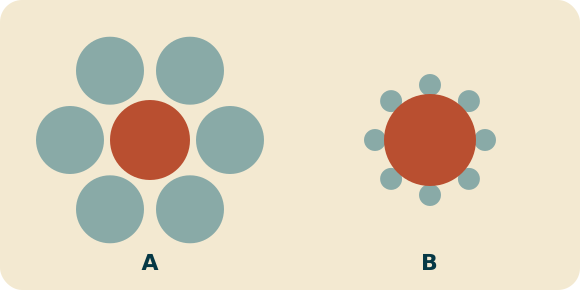
💡 Ignore the circles around them
ANSWERB is bigger. Ebbinghaus illusion: big neighbours make a circle look small, small neighbours make it look big. Here B really is a little bigger.
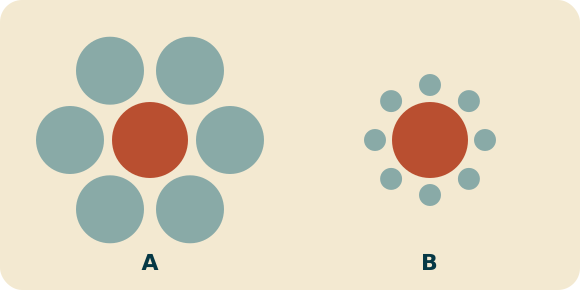
💡 Ignore the circles around them
ANSWERBoth are equal. Ebbinghaus illusion: big neighbours make a circle look small, small neighbours make it look big. Here both are equal.
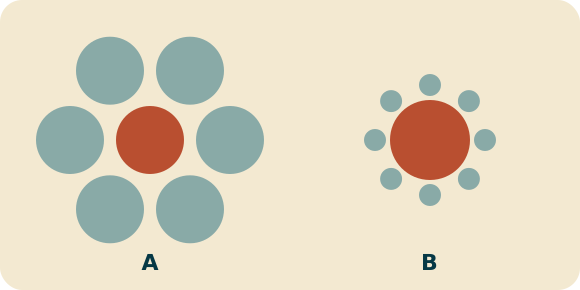
💡 Ignore the circles around them
ANSWERB is bigger. Ebbinghaus illusion: big neighbours make a circle look small, small neighbours make it look big. Here B really is a little bigger.
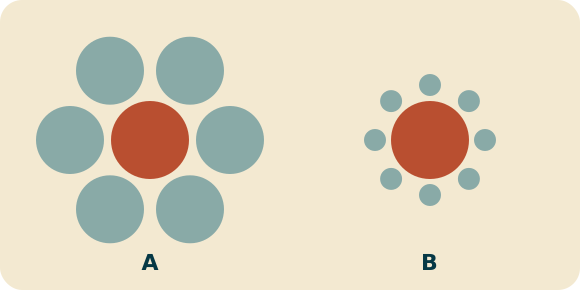
💡 Ignore the circles around them
ANSWERBoth are equal. Ebbinghaus illusion: big neighbours make a circle look small, small neighbours make it look big. Here both are equal.
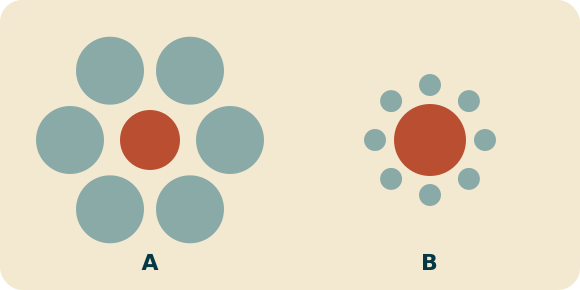
💡 Ignore the circles around them
ANSWERB is bigger. Ebbinghaus illusion: big neighbours make a circle look small, small neighbours make it look big. Here B really is a little bigger.
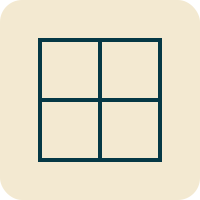
💡 Don't forget the bigger shapes
ANSWER5. Count 1×1, 2×2 and bigger squares: total 5.
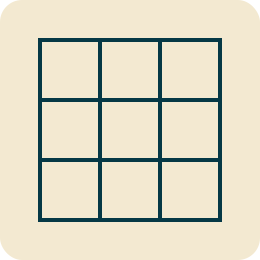
💡 Don't forget the bigger shapes
ANSWER36. Choose 2 of 4 vertical and 2 of 4 horizontal lines: 6 × 6 = 36.
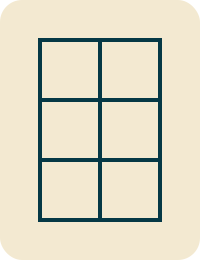
💡 Don't forget the bigger shapes
ANSWER8. Count 1×1, 2×2 and bigger squares: total 8.
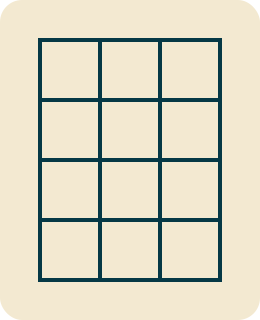
💡 Don't forget the bigger shapes
ANSWER60. Choose 2 of 4 vertical and 2 of 5 horizontal lines: 6 × 10 = 60.
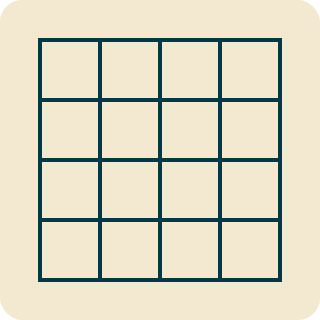
💡 Don't forget the bigger shapes
ANSWER30. Count 1×1, 2×2 and bigger squares: total 30.
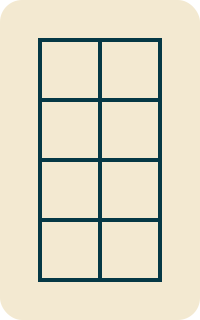
💡 Don't forget the bigger shapes
ANSWER30. Choose 2 of 3 vertical and 2 of 5 horizontal lines: 3 × 10 = 30.
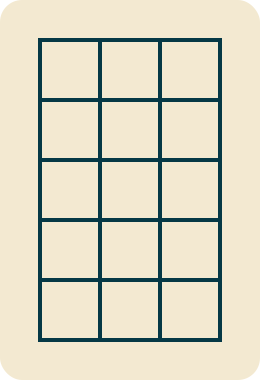
💡 Don't forget the bigger shapes
ANSWER26. Count 1×1, 2×2 and bigger squares: total 26.
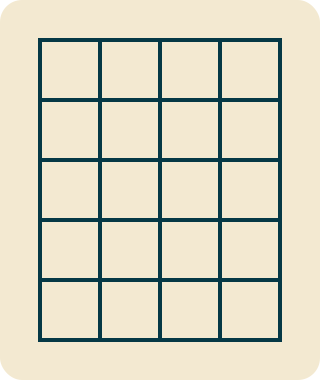
💡 Don't forget the bigger shapes
ANSWER150. Choose 2 of 5 vertical and 2 of 6 horizontal lines: 10 × 15 = 150.
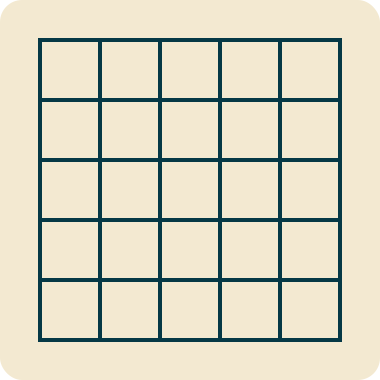
💡 Don't forget the bigger shapes
ANSWER55. Count 1×1, 2×2 and bigger squares: total 55.
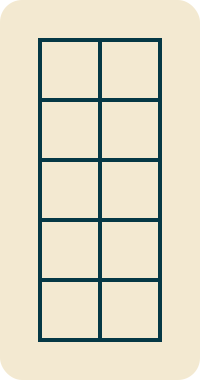
💡 Don't forget the bigger shapes
ANSWER45. Choose 2 of 3 vertical and 2 of 6 horizontal lines: 3 × 15 = 45.
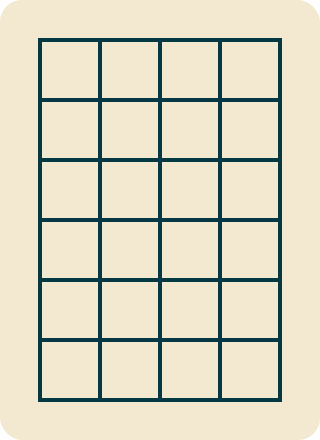
💡 Don't forget the bigger shapes
ANSWER50. Count 1×1, 2×2 and bigger squares: total 50.
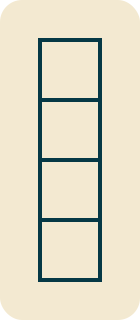
💡 Don't forget the bigger shapes
ANSWER10. Choose 2 of 2 vertical and 2 of 5 horizontal lines: 1 × 10 = 10.

💡 Ignore what the word says
ANSWERTeal. Stroop effect: reading is automatic, so naming the ink colour takes extra effort.

💡 Ignore what the word says
ANSWERRed. Stroop effect: reading is automatic, so naming the ink colour takes extra effort.
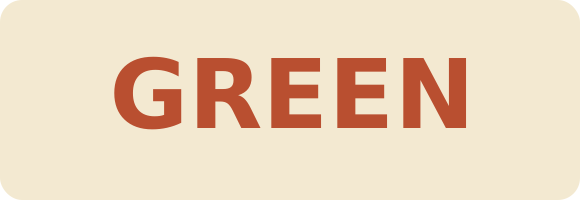
💡 Ignore what the word says
ANSWERRust orange. Stroop effect: reading is automatic, so naming the ink colour takes extra effort.
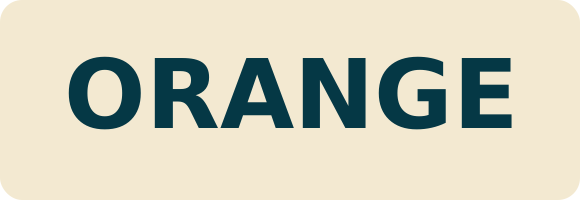
💡 Ignore what the word says
ANSWERDark blue. Stroop effect: reading is automatic, so naming the ink colour takes extra effort.

💡 Ignore what the word says
ANSWERTeal. Stroop effect: reading is automatic, so naming the ink colour takes extra effort.
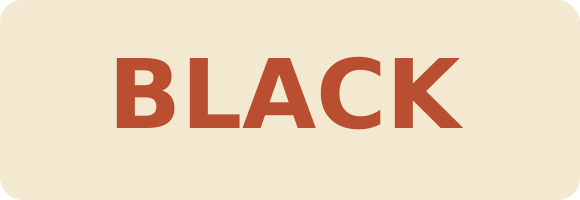
💡 Ignore what the word says
ANSWERRust orange. Stroop effect: reading is automatic, so naming the ink colour takes extra effort.

💡 Ignore what the word says
ANSWERDark blue. Stroop effect: reading is automatic, so naming the ink colour takes extra effort.

💡 Ignore what the word says
ANSWERRed. Stroop effect: reading is automatic, so naming the ink colour takes extra effort.
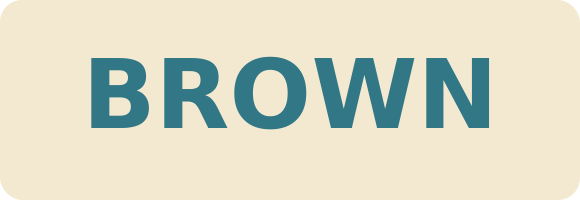
💡 Ignore what the word says
ANSWERTeal. Stroop effect: reading is automatic, so naming the ink colour takes extra effort.

💡 Ignore what the word says
ANSWERRed. Stroop effect: reading is automatic, so naming the ink colour takes extra effort.
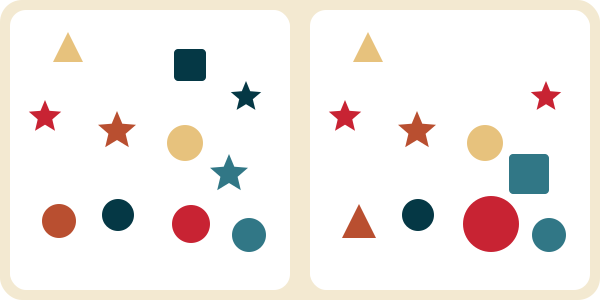
💡 Check colour, size, shape and missing items
ANSWER5. There are 5 differences (colour, size, shape or a missing item).
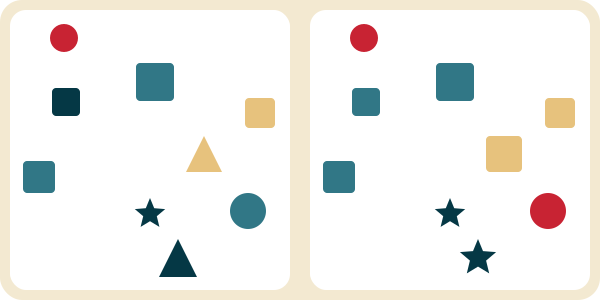
💡 Check colour, size, shape and missing items
ANSWER4. There are 4 differences (colour, size, shape or a missing item).
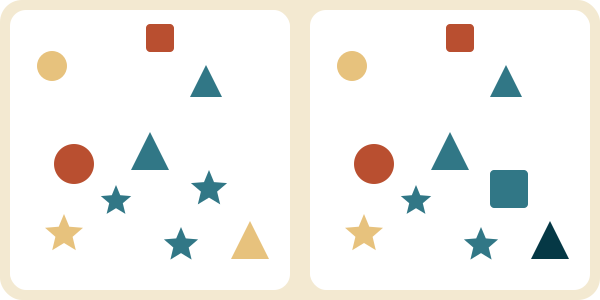
💡 Check colour, size, shape and missing items
ANSWER2. There are 2 differences (colour, size, shape or a missing item).
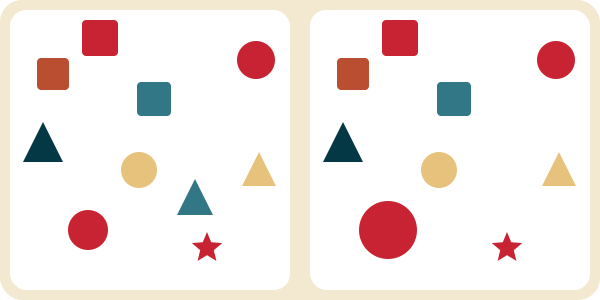
💡 Check colour, size, shape and missing items
ANSWER2. There are 2 differences (colour, size, shape or a missing item).
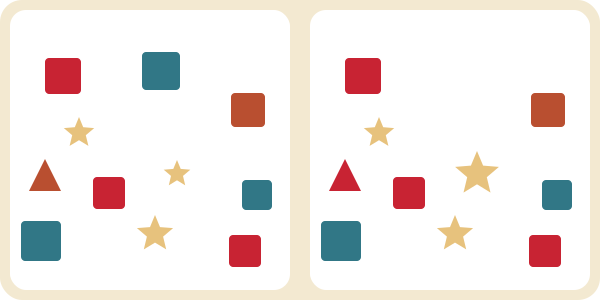
💡 Check colour, size, shape and missing items
ANSWER3. There are 3 differences (colour, size, shape or a missing item).
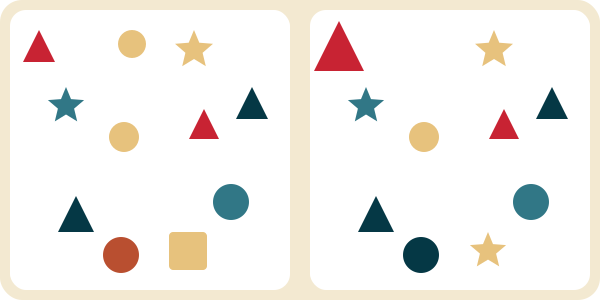
💡 Check colour, size, shape and missing items
ANSWER4. There are 4 differences (colour, size, shape or a missing item).
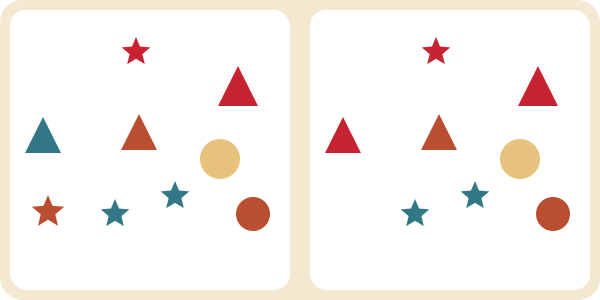
💡 Check colour, size, shape and missing items
ANSWER2. There are 2 differences (colour, size, shape or a missing item).
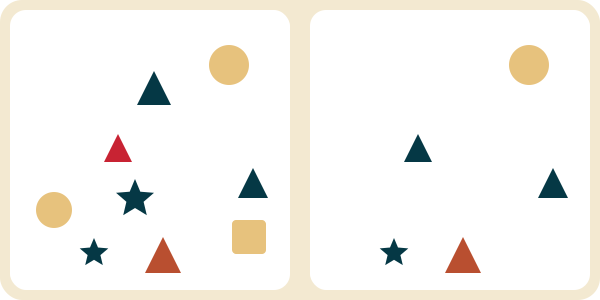
💡 Check colour, size, shape and missing items
ANSWER5. There are 5 differences (colour, size, shape or a missing item).
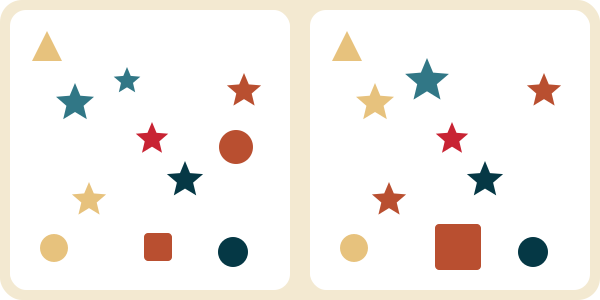
💡 Check colour, size, shape and missing items
ANSWER5. There are 5 differences (colour, size, shape or a missing item).
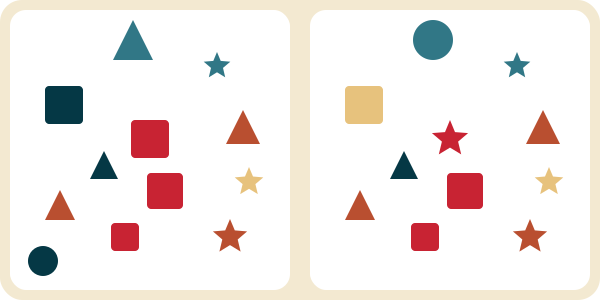
💡 Check colour, size, shape and missing items
ANSWER4. There are 4 differences (colour, size, shape or a missing item).
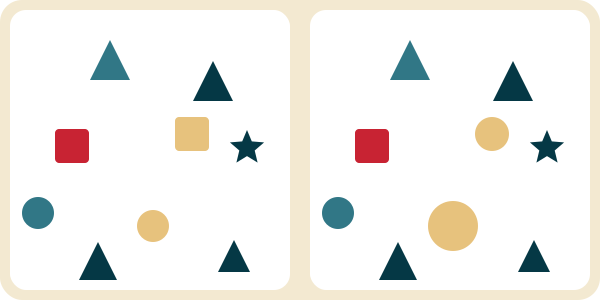
💡 Check colour, size, shape and missing items
ANSWER2. There are 2 differences (colour, size, shape or a missing item).
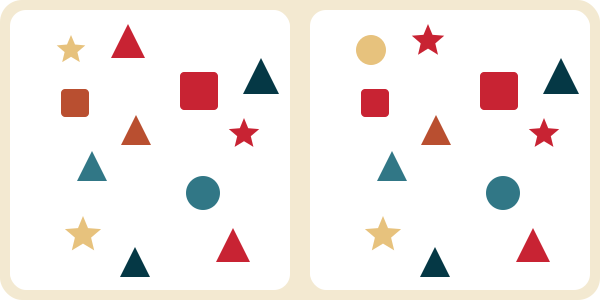
💡 Check colour, size, shape and missing items
ANSWER3. There are 3 differences (colour, size, shape or a missing item).
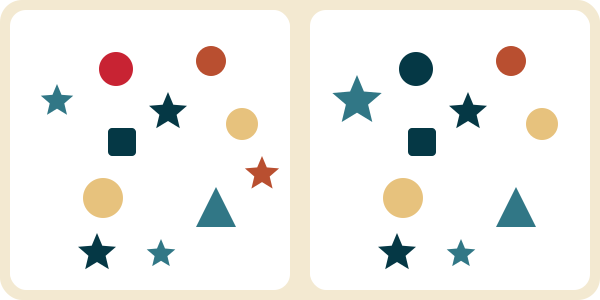
💡 Check colour, size, shape and missing items
ANSWER3. There are 3 differences (colour, size, shape or a missing item).
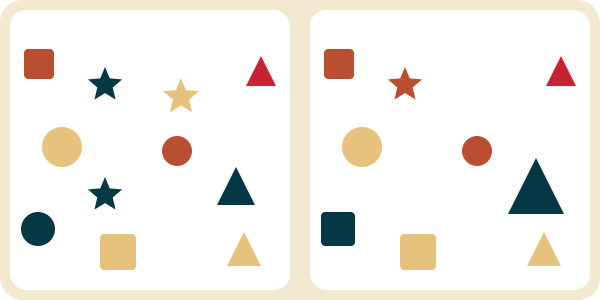
💡 Check colour, size, shape and missing items
ANSWER5. There are 5 differences (colour, size, shape or a missing item).
इन filters में कुछ नहीं मिला. दूसरा शब्द या level try करें.
Riddles हल करते रहिए, Brain Score बढ़ाइए और अपने नाम का Pragya Brain Certificate पाइए.
FAQs
50 riddles, हर एक का जवाब और छोटा explanation. Easy, Medium और Hard levels में.
Both are equal. Müller-Lyer illusion: arrowheads trick our brain about length. Here they really are equal.
Options छुपा कर जवाब खुद लिखिए, सही होने पर double points मिलते हैं.
Classroom Mode खोलिए: 2 से 4 teams, timer और live scoreboard. Projector पर सबसे अच्छा चलता है.
Last updated: 20 Nov 2026